Keep your ears on the ground

Read More

Slide 1 Title Here

Slide 1 Description Here
Read More

Slide 2 Title Here

Slide 2 Description Here
Read More

Slide 3 Title Here

Slide 3 Description Here
Read More

Slide 4 Title Here

Slide 4 Description Here
Read More

Slide 5 Title Here

Slide 5 Description Here
Showing posts with label production. Show all posts

Friday, November 20, 2026

The Professional Process of Casting a Feature Film

A wooden director's chair against a vibrant red backdrop, symbolizing film industry authority.

The journey from a script to a finished film begins with the casting process. This phase turns written characters into living people. It requires collaboration between directors, producers, and casting directors. Each step ensures the final cast fits the vision of the project.

Defining the Character Requirements

The process starts with the breakdown. A casting director reads the script to identify every role. They create a document that lists the age, personality, and physical traits of each character. This document goes to talent agencies. It tells agents exactly what the production needs. Clear descriptions help agents submit the right actors for the right roles.

The team also decides on the budget for each role. They categorize parts into leads, supporting roles, and day players. This structure helps manage the production schedule. It also guides the search for talent. Some roles require famous actors for marketing. Others need specific skills like dancing or speaking a foreign language.

The Audition and Callback Stages

Once the breakdown is public, agents send in headshots and resumes. The casting director reviews these materials. They select a group of actors for the first round of auditions. This round often happens via self-tapes. Actors record their lines at home and send the video file to the casting office.

The casting director watches these tapes to narrow the field. They look for actors who understand the character. They also check for chemistry between potential cast members. The best actors move to the callback stage. Callbacks happen in person or over live video calls. The director watches the actor perform the scene multiple times. They might ask the actor to try the scene with different emotions. This helps the director see the range of the performer.

The Chemistry Read and Final Selection

For lead roles, the process becomes more intense. The director often requires a chemistry read. This involves bringing two actors together to perform a scene. The goal is to see if they work well as a pair. A great lead actor might fail the audition if they do not connect with their co-star. The director watches for natural flow and timing.

After the chemistry reads, the production team meets to discuss the options. They compare notes on every actor. They look at the budget again to ensure the choices are feasible. Sometimes, they create a shortlist of top choices. If the first choice is unavailable, they move to the next person on the list. This stage requires patience and careful planning.

Issuing the Offer and Closing the Deal

Once the team agrees on an actor, the casting director makes an offer. This is a formal invitation to join the project. The offer includes the salary, the shooting schedule, and the billing order. The actor’s agent reviews these terms. They might negotiate for better pay or specific travel arrangements.

The negotiation phase can take several days. Both sides must agree on the contract terms. Once the actor signs the deal, they are officially cast. The production office then sends the actor the full script and the shooting schedule. The casting director notifies the other actors who auditioned. This closes the loop on the process.

The casting process is a mix of art and logistics. It relies on the intuition of the director and the organization of the casting team. Every decision aims to serve the story. When the right actor meets the right role, the film gains a soul. This careful work ensures that the audience believes in the characters on the screen.

Related reading

AI disclosure: this article was automatically drafted with AI assistance and reviewed before publishing. Written with AI assistance: gemini-3.1-flash-lite. It is general information, not professional medical, financial or legal advice.

Read More

Thursday, November 12, 2026

The Impact of Lead Actor Departures on Television Series

A TV studio setup featuring cameras and a green screen for production purposes.

When a lead actor leaves a television show, the production faces a major turning point. This departure forces writers, producers, and network executives to rethink the narrative structure. The show must decide whether to replace the character, write them out, or shift the focus to the remaining ensemble cast. Each choice carries significant risks for the show's longevity and audience retention.

Narrative Adjustments and Character Exits

The most common approach involves writing the character out of the story. Writers often use dramatic devices like relocation, career changes, or tragic endings to explain the absence. This process requires careful planning to maintain internal consistency. If the character was the emotional anchor of the series, their absence creates a void that is difficult to fill. The remaining characters must evolve to cover the narrative space left behind. This shift often changes the tone of the series, moving it away from the original premise.

Sometimes, a show chooses to recast the role. This strategy is more common in soap operas or long-running procedural dramas. Recasting allows the story to continue without losing a central figure. However, audiences often struggle to accept a new face in a familiar role. The success of a recast depends on the actor's ability to capture the essence of the character. If the audience feels a strong connection to the original performance, they may reject the change. This can lead to a decline in viewership and eventual cancellation.

Shifting the Ensemble Dynamic

Many modern shows rely on an ensemble cast rather than a single protagonist. When a lead leaves, the production team often elevates supporting characters to primary roles. This transition allows the show to explore new storylines and perspectives. It can revitalize a series that has become stagnant. By focusing on secondary characters, writers can introduce fresh conflicts and dynamics. This approach often feels more organic than bringing in a new character to replace the lead.

The departure of a lead actor also impacts the behind-the-scenes production. Contracts often include clauses that dictate how a show handles such exits. Producers must negotiate with remaining cast members to ensure stability. They may also need to adjust budgets to accommodate new talent or changes in production scale. The loss of a star can affect the show's marketing strategy and its appeal to advertisers. Networks must decide if the remaining cast can sustain the show's brand identity.

Audience Reception and Long-Term Viability

Audience loyalty plays a critical role in how a show survives a lead departure. Fans often form deep attachments to specific characters. When these characters leave, viewers may feel a sense of betrayal or loss. This emotional reaction can lead to a drop in ratings. Shows that manage this transition well often provide closure for the character. A satisfying exit helps fans accept the change and continue watching. If the exit feels rushed or disrespectful, the audience is more likely to abandon the series.

The long-term viability of a show after a lead departure is never guaranteed. Some series find new life and reach higher levels of success. Others struggle to find their footing and fade away within a season or two. The outcome depends on the strength of the writing and the chemistry of the remaining cast. A show that successfully reinvents itself can prove that the story is bigger than any single actor. This resilience is a hallmark of well-crafted television.

Ultimately, the departure of a lead actor serves as a stress test for a series. It reveals the strength of the underlying premise and the depth of the supporting cast. While the loss of a star is a significant challenge, it also offers an opportunity for growth. Producers who prioritize narrative integrity tend to navigate these transitions more effectively. By focusing on character development and story arcs, they can keep the audience engaged. Television is a collaborative medium, and the best shows demonstrate that they can survive and thrive even when key players move on to new projects.

Related reading

AI disclosure: this article was automatically drafted with AI assistance and reviewed before publishing. Written with AI assistance: gemini-3.1-flash-lite. It is general information, not professional medical, financial or legal advice.

Read More

Wednesday, October 21, 2026

Why Film Release Dates Shift at the Last Minute

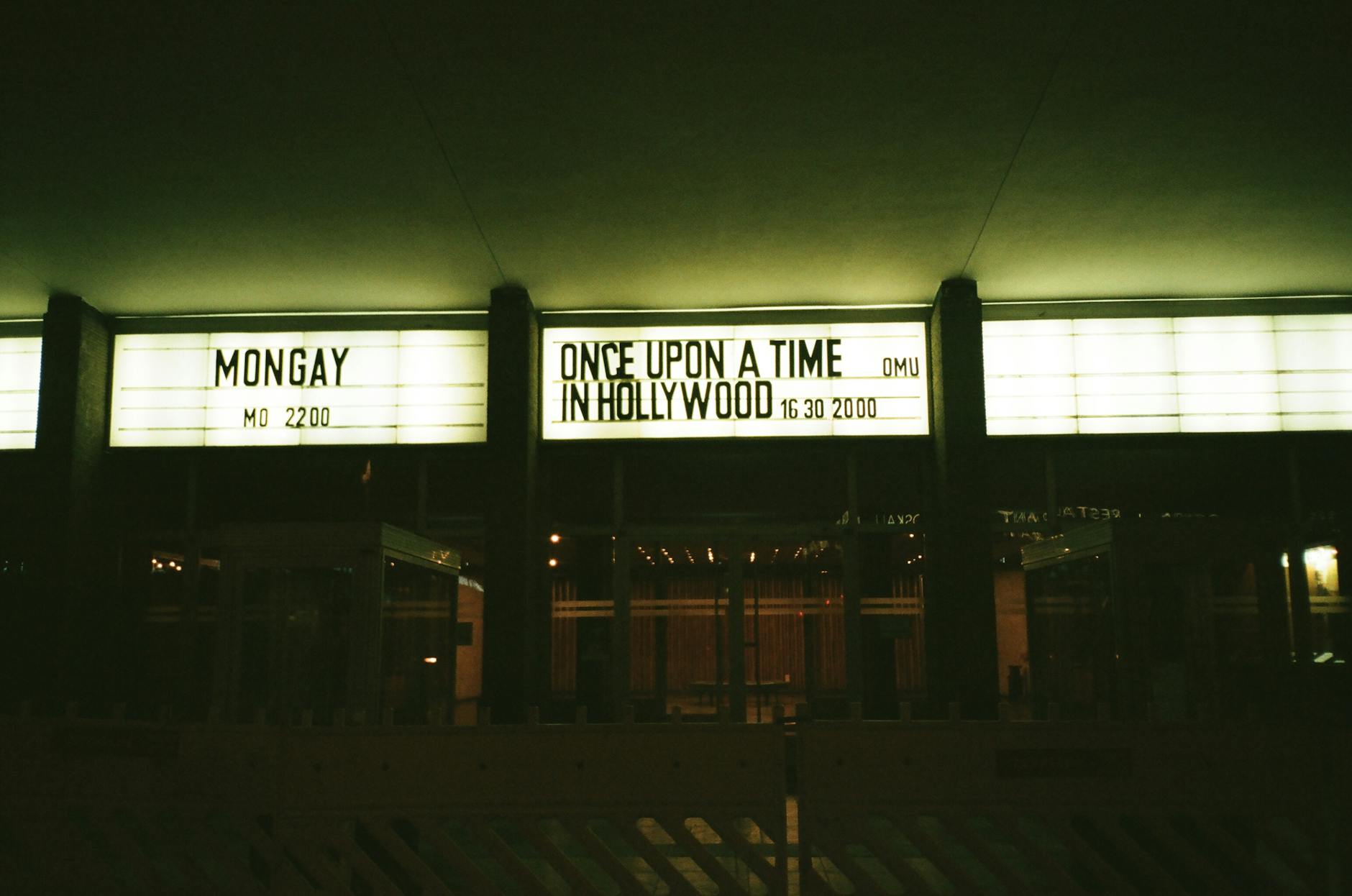
Outdoor view of an illuminated theater marquee displaying movie titles at night.

Film studios often announce release dates months, sometimes years, in advance. Yet fans frequently see those dates move, sometimes just weeks before opening. Understanding why this happens reveals the complex dance of production, marketing, and distribution.

Production Delays and Post‑Production Bottlenecks

Even with a solid schedule, filming can run into unexpected obstacles. Weather changes, location permits, or actor availability can push shooting days beyond the plan. When principal photography extends, editors receive footage later than expected. Visual effects teams, who often work on multiple projects, may need extra time to meet quality standards. Sound mixing, color grading, and final approvals also add days or weeks. Studios prefer to delay a release rather than launch a film that feels unfinished.

Strategic Competition Management

Studios watch the release calendar like a chessboard. If a rival studio announces a blockbuster for the same weekend, a studio may shift its date to avoid direct competition. Moving a film to a quieter week can improve box‑office performance and increase media attention. Conversely, a studio might move a film forward to capitalize on a sudden gap in the market, such as a delayed competitor or a holiday extension.

Marketing and Audience Testing Insights

Test screenings provide early audience reactions. If feedback shows weak pacing or confusing plot points, studios may order reshoots or re‑edits. Those changes require additional time, prompting a date shift. Marketing teams also need sufficient lead time to build buzz. If a trailer underperforms or social media trends change, the studio may adjust the release to align with a stronger promotional window.

Distribution Logistics and Theater Availability

Physical and digital distribution involves coordinating with thousands of theaters worldwide. A sudden change in theater availability—perhaps due to a local event or a technical upgrade—can force a studio to move a date. International markets add another layer; a film may need to align with regional holidays or avoid local competition. When these factors clash, the global release date may be tweaked.

Legal, Financial, and Regulatory Factors

Contracts with talent, unions, and vendors sometimes contain clauses that affect timing. A dispute over royalties or a missed deadline for a required rating can halt a release until resolved. Additionally, changes in tax incentives or government regulations in filming locations can impact post‑production budgets, leading studios to pause and reassess the schedule.

Unexpected External Events

Global events—natural disasters, pandemics, or political unrest—can disrupt both production and audience behavior. A sudden surge in streaming demand might encourage a studio to delay a theatrical launch in favor of a later digital release. Conversely, a major sports event or cultural festival could draw audiences away, prompting a shift to a more favorable window.

In summary, last‑minute changes to film release dates stem from a mix of creative, competitive, logistical, and external pressures. Studios balance the desire to meet announced dates with the need to protect a film’s quality and profitability. While fans may feel frustrated, these adjustments often aim to deliver a better viewing experience and stronger box‑office results.

Related reading

AI disclosure: this article was automatically drafted with AI assistance and reviewed before publishing. Written with AI assistance: openai/gpt-oss-120b. It is general information, not professional medical, financial or legal advice.

Read More

The Reality Behind Reality Television Casting Processes

A wooden director's chair against a vibrant red backdrop, symbolizing film industry authority.

Reality television relies on specific character archetypes to drive narrative arcs. Casting directors do not simply pick random people from a crowd. They look for individuals who can articulate their emotions clearly on camera. Producers need participants who react strongly to conflict and social pressure. This process begins long before cameras start rolling on set.

The Initial Screening Phase

The process often starts with an open casting call or an online submission. Thousands of hopefuls send in short video tapes. Casting teams watch these clips to find high energy and unique personalities. They look for people who speak in complete, punchy sentences. A good candidate tells a compelling story in under sixty seconds. Producers ignore applicants who seem too shy or reserved. They need people who can carry a scene without constant prompting.

After the initial review, the team creates a shortlist. These candidates receive a detailed questionnaire. This document asks about personal history, past conflicts, and specific fears. Producers want to know what triggers a person. They look for patterns in how an applicant handles stress. This information helps them predict how a person might act in a group setting. It is not about finding the most talented person. It is about finding the most reactive person.

The Interview and Psychological Evaluation

Selected applicants move to the interview stage. This often happens via video call or in person. Casting directors ask probing questions about the candidate's life. They want to see how the person handles uncomfortable topics. They might challenge the candidate's opinions to test their patience. A candidate who remains calm under pressure might not make the final cut. Producers prefer those who stand their ground or express strong opinions.

Every major production requires a psychological evaluation. A licensed professional interviews the candidate to ensure they can handle the environment. This step protects the production company from liability. It also helps producers understand the candidate's mental boundaries. The psychologist does not decide who gets cast. They only report on the candidate's ability to cope with isolation or competition. Producers use this data to manage the cast during filming.

Building the Final Ensemble

The final stage involves building a balanced cast. Producers do not want a group of identical people. They look for a mix of archetypes to create natural tension. They might pair a highly organized person with someone who is chaotic. They look for a villain, a hero, and a mediator. This mix ensures that the group dynamics remain interesting for the audience. If everyone gets along, the show lacks a central conflict.

Producers also consider the visual appeal of the group. They want a diverse range of ages, backgrounds, and professions. This variety helps different segments of the audience identify with the cast. They look for people who represent specific demographics. A well-rounded cast creates a microcosm of society. This makes the social experiments feel more relatable to viewers at home.

The Role of Narrative Arcs

Casting directors often have a specific story in mind before filming starts. They look for people who fit into these pre-planned roles. If a show needs a redemption arc, they look for someone with a troubled past. If they need a romantic subplot, they look for single people who are open to dating. The casting process is a form of narrative construction. Producers are essentially writing a script using real human beings.

Once the cast is set, the production team prepares them for the environment. They explain the rules and the expectations of the show. They also remind the participants that they are being filmed at all times. This awareness changes how people behave. Some participants lean into their assigned roles to gain more screen time. Others struggle to maintain their true personality under the constant gaze of the lens. The casting team succeeds when the participants forget the cameras and act on their instincts.

The reality television industry continues to refine these methods. They use data from previous seasons to improve their selection process. They track which types of personalities keep viewers watching. This makes casting a highly calculated business. It is a blend of psychology, entertainment, and strategic planning. While the situations may seem spontaneous, the foundation is built on careful selection.

Related reading

AI disclosure: this article was automatically drafted with AI assistance and reviewed before publishing. Written with AI assistance: gemini-3.1-flash-lite. It is general information, not professional medical, financial or legal advice.


Read More

Why Actors Exit a Hit Series Before Its Finale

A dynamic film set with actors and crew actively engaged in a studio environment.

Television success often creates a spotlight that draws viewers, critics, and industry insiders alike. Yet, even the most popular shows lose key cast members before the final episode. Understanding why actors leave a hit series early helps fans make sense of sudden changes and gives creators insight into managing talent.

Creative Differences and Story Direction

One of the most common reasons actors depart is a clash over the show's creative path. When writers introduce new arcs, shift tone, or change a character’s core traits, the actor may feel the role no longer aligns with their vision. For example, a performer who signed on to play a heroic detective might resist a sudden turn toward a darker, morally ambiguous storyline. If negotiations fail, both parties often agree to part ways rather than force a strained performance.

Contractual and Financial Considerations

Contracts for hit series typically include multi‑season options, but they also contain clauses that allow either side to renegotiate terms. As a show gains popularity, an actor’s market value can rise dramatically. Agents may push for higher salaries, profit participation, or better billing. If producers cannot meet these demands, the actor may choose to exit and pursue more lucrative opportunities elsewhere. Conversely, budget cuts or network mandates can force producers to release talent to keep costs manageable.

Scheduling Conflicts and New Projects

Television production schedules are demanding, often requiring long hours on set for months at a time. Actors who receive offers for films, theater, or other series may find the overlapping timelines impossible to reconcile. A lead who lands a starring role in a major motion picture might have to leave the series to honor that commitment. In many cases, the decision is not about dissatisfaction but about career growth and diversification.

Personal Reasons and Lifestyle Changes

Behind the glamour, actors face real-life pressures. Relocating to a filming location can strain family life, especially when shoots require travel to remote areas. Health concerns, burnout, or a desire for a more stable routine can prompt an actor to step away. Some performers also use the platform of a hit series to raise awareness about personal causes, and they may leave to focus on advocacy work or education.

Character Arc Completion

Not every departure stems from conflict. Writers sometimes design a character’s journey to end after a specific narrative milestone. When the storyline reaches its natural conclusion, the actor’s contract may simply expire. This approach allows the show to maintain narrative integrity while giving the performer a clean exit. Audiences often appreciate a well‑crafted farewell that respects the character’s legacy.

Industry Politics and Power Shifts

Television sets are microcosms of larger industry dynamics. Changes in showrunners, executive producers, or network leadership can alter the power balance. An actor who enjoyed a strong relationship with a departing showrunner might feel less valued under new management. In some cases, behind‑the‑scenes negotiations involve leverage, and an actor may leave as a strategic move to signal dissatisfaction or to protect future bargaining power.

Impact on the Show and Audience Reaction

When a beloved actor exits, the show must adapt quickly. Writers may introduce new characters, promote supporting cast members, or rewrite existing plots. Successful transitions often involve thoughtful storytelling that honors the departing performer while keeping the audience engaged. Conversely, abrupt exits without narrative justification can lead to viewer backlash and declining ratings.

In summary, actors leave hit series for a blend of creative, financial, logistical, and personal reasons. Each departure reflects a unique set of circumstances, and understanding these factors helps fans appreciate the complexities of television production. While the loss of a favorite face can be disappointing, it also opens space for fresh talent and new story possibilities, keeping the medium vibrant and evolving.

Related reading

AI disclosure: this article was automatically drafted with AI assistance and reviewed before publishing. Written with AI assistance: openai/gpt-oss-120b. It is general information, not professional medical, financial or legal advice.

Read More

Wednesday, October 7, 2026

The Impact of Industry Strikes on Television Production

Empty photography studio with lighting equipment focused on a single chair.

When labor unions representing writers or actors initiate a strike, the television industry experiences an immediate shift. Production schedules rely on a precise flow of scripts, rehearsals, and filming days. A work stoppage disrupts this cycle, causing ripple effects that viewers notice months later. Understanding this process explains why your favorite shows often disappear or change format during these periods.

The Immediate Halt of Production

The first sign of a strike is the sudden cessation of writing rooms. Writers are the architects of television narratives. When they stop working, new scripts are not produced. Shows that rely on daily or weekly topical content, such as late-night talk shows, go off the air almost instantly. These programs require fresh material to remain relevant. Without writers, these hosts cannot deliver their monologues or sketches.

Scripted dramas and comedies face a different timeline. If a show has a backlog of completed scripts, production might continue for a few weeks. However, once those scripts are filmed, the cameras stop rolling. Actors often join the picket lines, which prevents them from performing on set. This dual stoppage creates a total freeze in the creation of new episodes. Studios cannot film scenes without actors, and they cannot write new scenes without writers.

The Shift to Unscripted Content

Networks must fill their broadcast schedules even when scripted production stops. They often turn to unscripted content to bridge the gap. Reality television, game shows, and news programs become the primary focus. These formats do not always require the same unionized labor as scripted dramas. Producers can keep these shows running to maintain advertising revenue.

Viewers might notice an increase in reruns during a strike. Networks air past seasons of popular shows to keep audiences engaged. This strategy allows them to preserve their library of content while waiting for labor disputes to resolve. Sometimes, networks will also import international programs to fill time slots. These shows provide fresh entertainment without requiring domestic production resources.

Long-Term Effects on Storytelling

A strike often forces changes to the structure of a television season. If a strike lasts for several months, the total number of episodes for a season usually decreases. A show originally planned for twenty-two episodes might finish with only thirteen. This change impacts the pacing of the narrative. Writers must condense their storylines to reach a conclusion within a shorter timeframe.

Some shows may experience a delay in their premiere dates. A series scheduled for a fall release might be pushed to mid-season or the following year. This delay disrupts the marketing cycle for the network. It also changes how viewers consume the story. A long break between seasons can cause audiences to lose interest or forget plot details. Producers often release recap videos to help viewers catch up when the show finally returns.

The Return to Normal Operations

Once a strike ends, the industry does not return to normal overnight. Writers need time to assemble their teams and develop new story arcs. Actors must coordinate their schedules to return to the set. This ramp-up period can take several weeks or even months. The first episodes to air after a strike are often the ones that were partially completed before the stoppage.

The quality of a show can sometimes fluctuate after a long break. The pressure to produce content quickly can lead to rushed storylines. However, many creative teams use the downtime to refine their scripts. They may return with a clearer vision for the characters and the plot. The industry eventually stabilizes, but the impact of the strike remains visible in the season's final episode count and the timing of the broadcast schedule. Viewers play a vital role by remaining patient as the creative process restarts. The return of a favorite show is a complex logistical achievement that follows the resolution of these labor negotiations.

AI disclosure: this article was researched and written with AI assistance and reviewed before publishing. It is general information, not professional medical, financial or legal advice.

Related reading

Read More

Social Profiles

Facebook Pinterest

Google Drive Document

Popular Posts

Copyright © GossipGal | Powered by Blogger
Design by Lizard Themes | Blogger Theme by Lasantha - PremiumBloggerTemplates.com