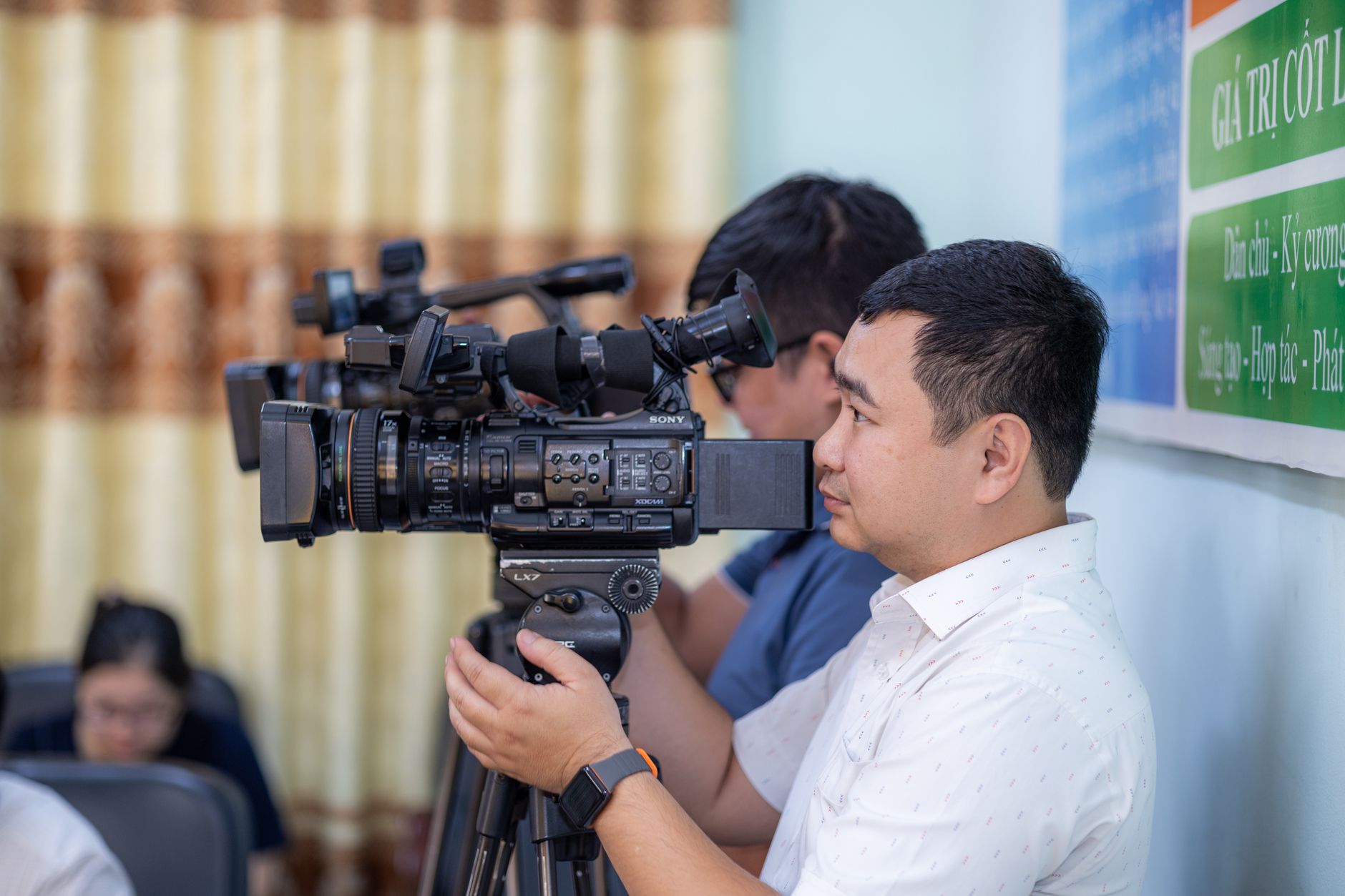
A press junket serves as the primary engine for film promotion. Studios organize these events to generate media coverage before a movie release. The process involves moving actors, directors, and journalists through a series of rapid interviews. It requires precise planning and significant financial investment.
The Setup and Venue Logistics
Studios typically rent a luxury hotel suite for the duration of the junket. They transform standard rooms into professional broadcast studios. Crews install lighting rigs, high-definition cameras, and sound equipment in every room. Each room features a specific backdrop related to the film. This ensures that every interview looks consistent for the final broadcast. Technicians spend hours testing audio levels and camera angles. They must ensure the environment remains quiet despite the high volume of people in the hallway. The hotel staff coordinates with the studio team to manage security and catering. This setup phase often begins twenty-four hours before the first journalist arrives.
Managing the Talent Schedule
The talent schedule is the most complex part of the operation. Actors and directors arrive at the hotel early in the morning. A publicist manages their movement throughout the day. They follow a strict rotation known as a press cycle. Each journalist receives a specific time slot, usually lasting four to six minutes. The publicist uses a stopwatch to keep the interviews on track. If an interview runs long, the entire schedule suffers. Actors move from room to room to meet different outlets. They often complete thirty or more interviews in a single day. This repetitive process requires high levels of focus and energy from the performers. They answer the same questions repeatedly while maintaining a fresh tone for each camera.
The Role of the Media
Journalists arrive with pre-prepared questions and specific angles. They represent various outlets, including television networks, blogs, and podcasts. Some journalists focus on technical aspects of the film. Others ask personal questions to create human-interest stories. The studio provides a press kit to every attendee. This kit contains production notes, cast biographies, and high-resolution images. It helps journalists write their stories quickly after the event. Some outlets record video segments for social media platforms. Others conduct audio interviews for radio or digital podcasts. The diversity of media ensures the film reaches different audience segments. Journalists must work efficiently to capture the necessary content within their short window.
The Final Wrap and Distribution
The junket concludes when the final interview ends. The crew immediately begins the breakdown process. They dismantle the lighting rigs and pack the camera gear into shipping crates. The hotel staff restores the rooms to their original state. Meanwhile, the journalists return to their offices to edit the footage. They transcribe quotes and select the best clips for their reports. The studio monitors the coverage as it appears online and on television. This data helps the marketing team adjust their strategy for the film release. The entire operation functions like a well-oiled machine. It relies on clear communication and strict adherence to the clock. While the process looks seamless on screen, it demands intense labor behind the scenes. Every minute of the junket contributes to the broader goal of building audience anticipation.
Related reading
 The Strategic Selection Process Behind Award Show Hosts
 Navigating Entertainment News: Separating Fact from Rumour
AI disclosure: this article was automatically drafted with AI assistance and reviewed before publishing. Written with AI assistance: gemini-3.1-flash-lite. It is general information, not professional medical, financial or legal advice.


0 comments:
Post a Comment